
How Important Is A Place To Write
Not very.

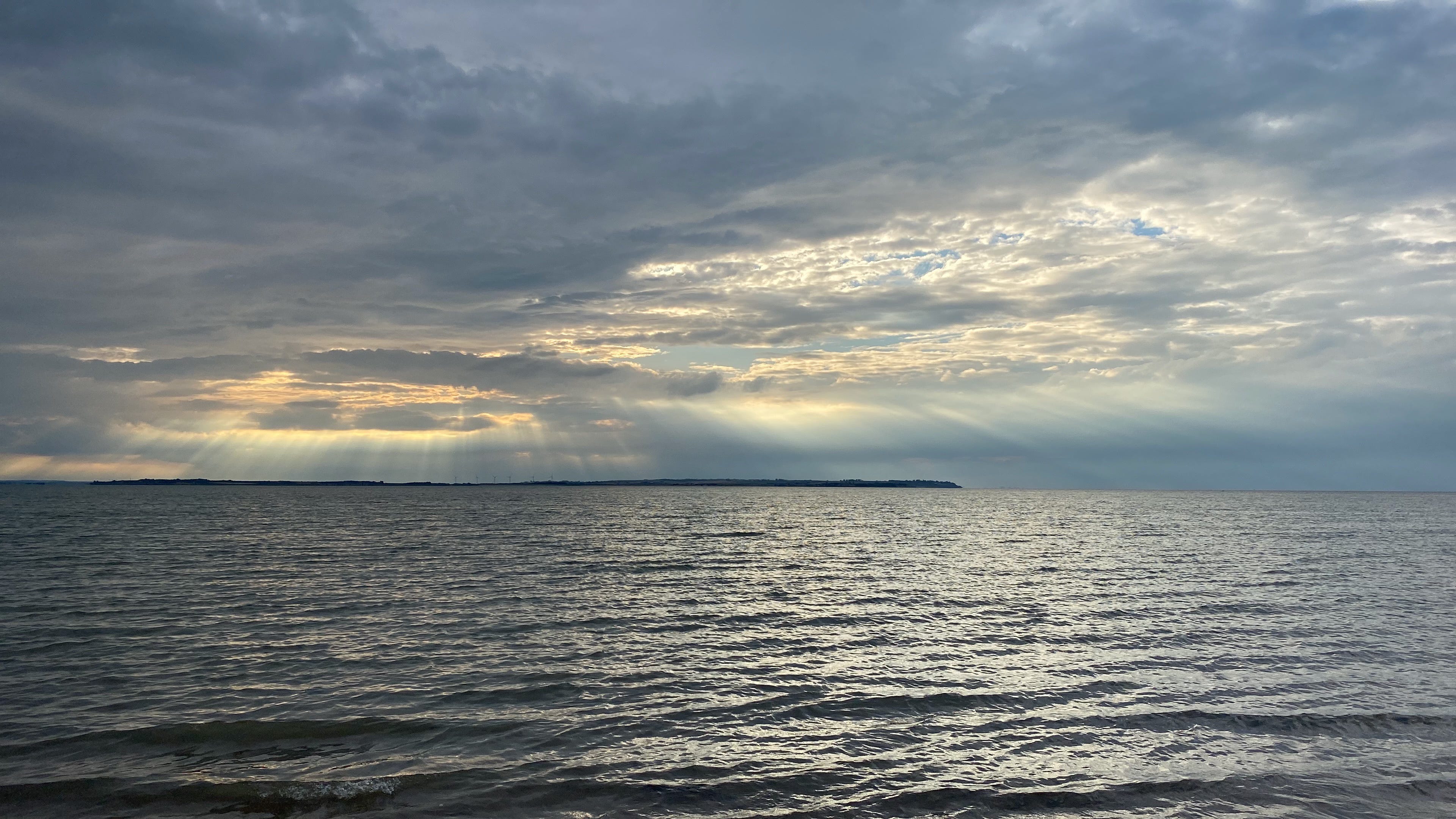
View from my beach hut.
There is a small wooden shed on the seafront in the seaside town of Whitstable that I acquired a few years back. It doesn’t look like much. Indeed it isn’t much - until you get inside it and look out. Then a great expanse of sea and sky opens up, or when the tide is out, acres of marshy mudflats. Seabirds cluster and gabble where the tide reaches the shore and sandbanks stretch out like giant fingers from the palm of the landmass.
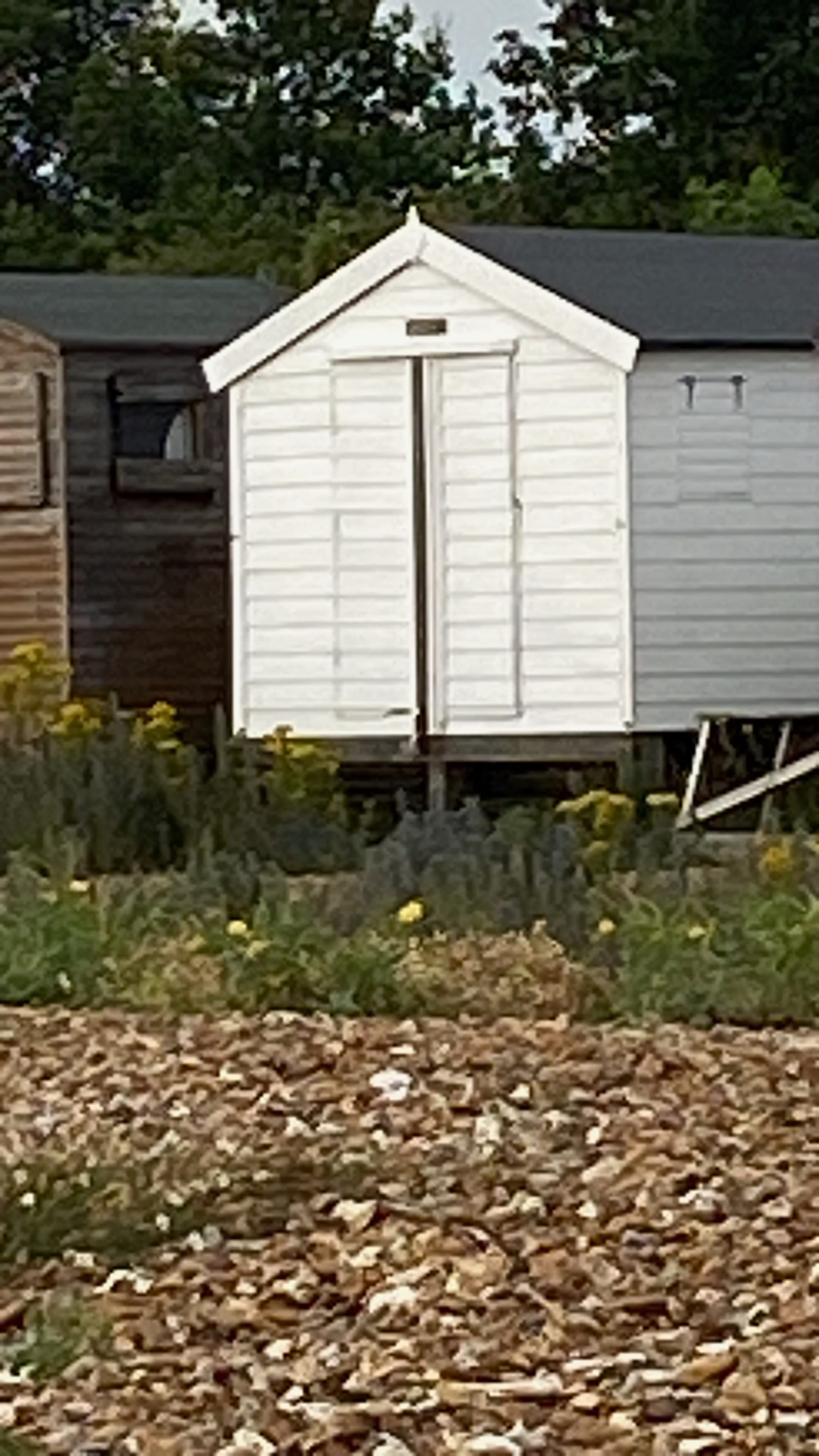
To the right in the far distance are two landmarks - the Whitstable Sea Forts, bizarre constructions a few miles out to sea that were built during the second world war to take pot shots at Luftwaffe pilots as they flew toward the coast, and further along towards Margate, great banks of wind turbines slowly revolving like thoughts.
This is the view that tempted me to buy the shed in the first place. I imagined sitting in front of my writing desk there, gazing into the ever-changing hues of sea and sky as my imagination formed its own clouds in my head, and what fell from them I would capture on my MacBook Air and convert into fiction.
It didn’t happen that way. Every time I went down to the shed with my computer, I just stared out the doors of the shed at the skyline. Maybe I smoked a cigarette, or made myself a cup of coffee. But I don’t think I have written a single word in my dream location.
Which is only to say this. Location doesn’t matter when you are a writer. I heard of one writer who had an amazing penthouse overlooking Central Park in New York. When he was writing, he turned his chair and desk around to face the wall. He didn’t want to be distracted by the view.
Being a writer is living in your head. When you live in your head, what is ‘out there’, either beautiful or ugly, makes little difference. It’s important to me that it’s quiet, light and warm. Apart from that, for me, where I am is nowhere. The much romanticised ‘writer’s garret’ is a nineteenth century literary fantasy.
